Water Drainage Solutions in Retaining Wall Design: Best Practices for Prevention of Water Damage2/15/2024
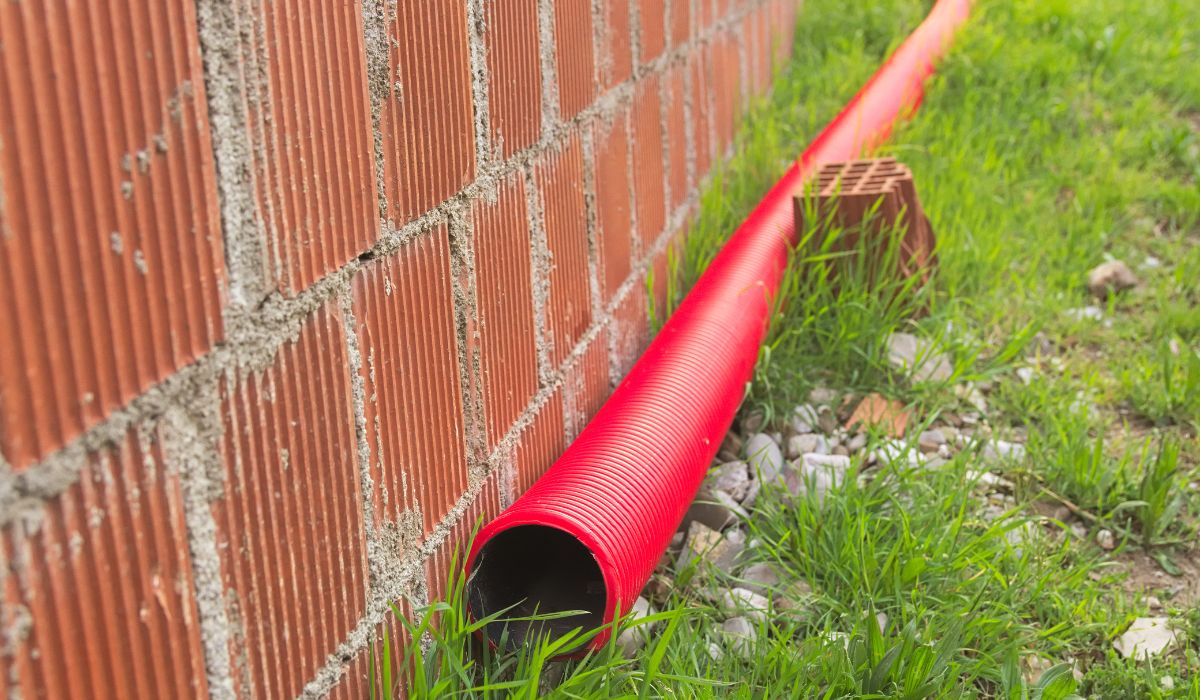
In Kelowna, BC, the integrity of retaining walls hinges on effective water drainage solutions. This comprehensive guide explores the crucial techniques to prevent erosion and water damage in retaining wall design. Understanding the significance of drainage systems, material considerations, and professional guidance becomes imperative in preserving these structures. With Kelowna's unique landscape, implementing best practices ensures resilience against potential water-related issues. By delving into the importance of proper drainage, property owners can safeguard their retaining walls, fortifying their structural integrity and aesthetic appeal. Understanding Retaining Wall Drainage SystemsImportance of Proper Drainage in Retaining WallsRetaining walls provide essential structural support in landscaping projects. However, without adequate drainage systems, water accumulation can compromise their integrity. Proper drainage prevents hydrostatic pressure buildup, reducing the risk of structural failure and erosion. Weep holes, gravel backfill, and drainage pipes ensure efficient water flow and protection against damage. Implementing Drainage Techniques for Erosion PreventionEfficient drainage techniques play a critical role in mitigating erosion behind retaining walls. By diverting water away from the structure through French drains or gravel backfill, you prevent soil saturation and erosion, preserving the wall's stability. Incorporating these techniques during the design phase is essential for long-term durability. Best Practices for Effective Water Drainage in Retaining Wall DesignRole of Weep Holes and Gravel Backfill in Water DiversionWeep holes allow water to escape, preventing pressure buildup that can damage retaining walls. Pairing weep holes with gravel backfill aids in water movement, ensuring it drains away from the structure. These practices minimize water-related issues and preserve the wall's longevity. Utilizing Drainage Pipes for Efficient Water FlowIntegrating drainage pipes into retaining wall designs is crucial for efficient water flow management. These pipes redirect water away from the structure, preventing soil saturation and erosion. Properly installed drainage pipes are instrumental in maintaining the wall's stability and preventing water damage. Importance of Proper Drainage in Preventing Water Damage to Retaining WallsImpact of Water Accumulation on Structural IntegrityAccumulated water behind retaining walls can exert excessive pressure, compromising their stability. This pressure buildup, known as hydrostatic pressure, can lead to structural damage and erosion. Proper drainage mechanisms mitigate these risks by channeling water away preserving the wall's structural integrity. Preventive Measures: Addressing Water BuildupEffective drainage systems are vital in addressing water buildup behind retaining walls. Techniques like French drains or perforated pipes prevent water saturation, reducing the risks of soil erosion and structural damage. Implementing these measures protects the wall from potential water-related issues. Incorporating Drainage Solutions for Resilient Retaining Wall StructuresRole of Proper Slope in Drainage EfficiencyThe slope of the land significantly influences drainage efficiency in retaining walls. Adequate grading ensures proper water runoff, preventing water buildup behind the wall. Correctly managed slopes facilitate efficient drainage and contribute to the wall's resilience against water-related damage. Drainage Material Selection for LongevityChoosing the right materials for drainage is crucial. Porous materials like gravel facilitate water movement, while impermeable materials may hinder drainage. Proper material selection is key in ensuring optimal drainage, reducing water damage risks, and prolonging the wall's lifespan. Factors Affecting Retaining Wall Drainage DesignUnderstanding Soil Conditions for Effective DrainageSoil composition directly impacts drainage in retaining walls. Understanding the soil's porosity and permeability helps in designing efficient drainage systems. Gravel-rich soils drain better compared to clayey soils, influencing the choice of drainage techniques for optimal results. Impact of Surrounding Landscape on Drainage EfficiencyThe surrounding landscape, including nearby structures or vegetation, affects drainage efficiency. Factors like runoff from roofs or garden slopes may contribute to water accumulation. Addressing these landscape elements during drainage design ensures a comprehensive solution for water management behind retaining walls. Professional Guidance for Optimal Retaining Wall Drainage in KelownaLocal Expertise in Retaining Wall ConstructionEngaging a professional company in Kelowna with expertise in retaining wall construction is paramount. Local contractors understand the specific challenges posed by Kelowna's landscape and weather conditions. Their knowledge ensures the implementation of effective drainage solutions tailored to the region's requirements. Compliance with Local Regulations and PermitsProfessional contractors in Kelowna are well-versed in local regulations and permit requirements for retaining wall construction. Adhering to these guidelines ensures not only the structural integrity of the wall but also compliance with legal standards, ensuring a hassle-free and legally sound construction process. Ensuring Longevity: Implementing Superior Drainage Techniques in Retaining Wall ConstructionIncorporating Safety Measures for StabilitySuperior drainage techniques go hand in hand with safety measures to ensure the stability of retaining walls. By implementing proper drainage systems, potential risks like soil erosion or wall collapse due to water buildup can be minimized. These measures guarantee the long-term durability of the structure. Role of Professional Expertise in Drainage InstallationEngaging expert contractors guarantees the installation of top-quality drainage systems. Their experience ensures precision in installation techniques, maximizing the efficiency of the drainage system. Their expertise plays a pivotal role in preventing water-related damage and prolonging the life of the retaining wall. Enhance Your Landscape Today with Kelowna Retaining WallsEnsuring proper drainage in retaining wall design is paramount for longevity and durability, especially in Kelowna's landscape. Effective water drainage solutions are instrumental in preventing water-related damage and preserving the structural integrity of retaining walls. By implementing best practices, choosing suitable materials, and seeking professional guidance, property owners in Kelowna can fortify their retaining walls against potential water damage. For comprehensive and expert assistance in retaining wall construction and drainage design in Kelowna, contact Kelowna Retaining Walls at 236-300-3102. Let our experienced team provide you with a free quote, ensuring your retaining walls withstand the test of time. Comments are closed.
|
 RSS Feed