• Home
  • Services
    • Retaining Walls
    • Driveway Paving
    • Walkway Paving
    • Patio Paving
    • Landscaping
    • Excavating
  • About
  • Blog
  • Contact
   
  • Home
  • Services
    • Retaining Walls
    • Driveway Paving
    • Walkway Paving
    • Patio Paving
    • Landscaping
    • Excavating
  • About
  • Blog
  • Contact

The History Of Rock Retaining Walls

2/15/2024

 
Picture

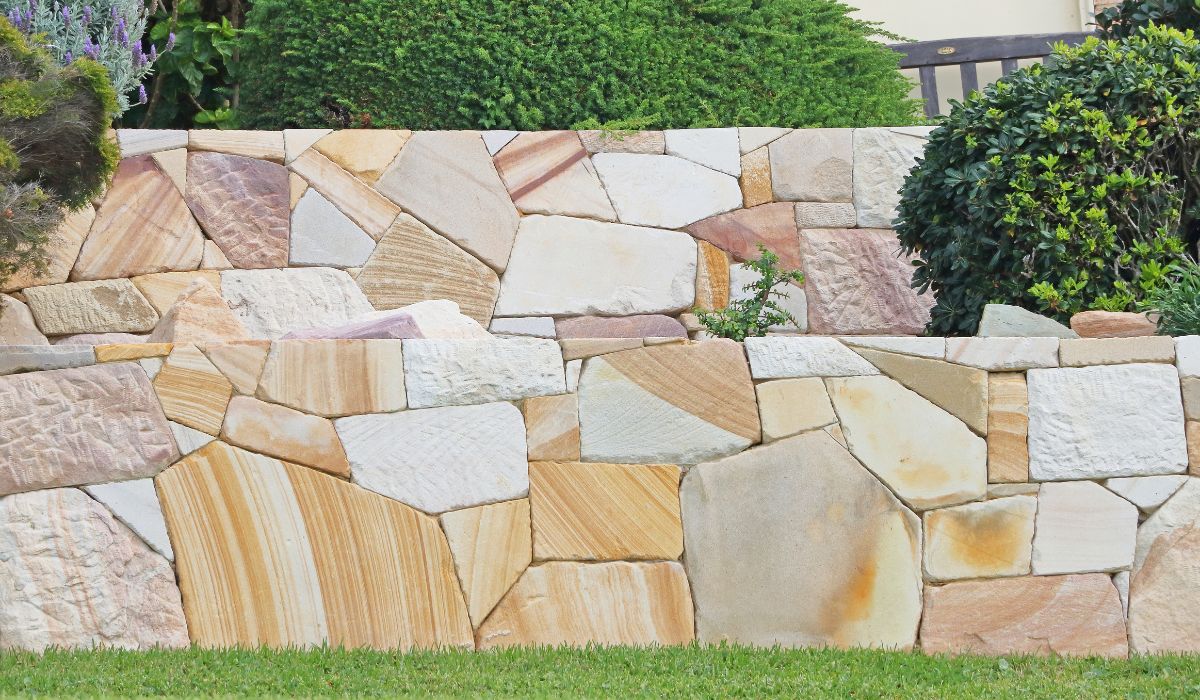
In the idyllic landscape of Kelowna, the legacy of rock retaining walls is etched into the terrain, weaving a tale of architectural resilience and ingenuity across the ages. "The History of Rock Retaining Walls" unveils a narrative that spans civilizations, from ancient engineering marvels to contemporary innovations. These enduring structures have not only stood the test of time but also shaped the very contours of Kelowna's breathtaking scenery. This exploration traverses through centuries, delving into the historical significance, engineering prowess, and practical applications of these walls. From ancient civilizations strategically employing them for agricultural purposes to the modern era's advancements in sustainable materials and construction, this article uncovers the remarkable journey of retaining walls in Kelowna. Join us on this historical odyssey as we uncover the rich tapestry of architectural history embedded within Kelowna's rocky foundations.

Evolution of Retaining Walls: From Ancient Civilizations to Modern Innovations

The history of retaining walls traces a profound journey through civilizations, witnessing their evolution from rudimentary structures to modern engineering marvels. These walls served diverse purposes and underwent significant changes, showcasing human ingenuity in construction and design.

Ancient Civilizations and Hillside Farming

  1. Roman Empire's Terraced Agriculture: The Romans extensively used retaining walls to create terraced fields for agriculture on hillsides. These structures allowed cultivation on otherwise challenging terrain, contributing to the empire's food production and sustainability.
  2. Nile River's Flood Control: In ancient Egypt, retaining walls were integral to controlling the Nile River's floods. They redirected water and retained soil, enabling farming on the fertile banks while protecting against flooding.

Evolution of Retaining Wall Materials

  1. Ancient Earth and Stone Structures: Early retaining walls consisted of earth and stones, shaped and stacked to retain soil and create flat surfaces. These structures were prevalent in hilly landscapes worldwide.
  2. Modern Reinforced Concrete and Composite Gravity Walls: Contemporary designs incorporate reinforced concrete and composite materials, enhancing strength, durability, and adaptability. Composite gravity walls and stacked steel wire baskets exemplify modern engineering innovation in retaining wall materials.

Understanding the Engineering Behind Gravity Retaining Walls

Gravity retaining walls rely on their mass to counteract soil pressure and prevent slope failure. These walls undergo rigorous engineering considerations and designs to ensure stability and functionality across various landscapes.

Earth Pressure and Stability

  1. Mitigating Earth Pressure: Gravity retaining walls leverage their weight to counteract soil pressure, preventing the movement of soil masses. Understanding and calculating this pressure is fundamental in engineering these structures for stability.
  2. Ensuring Structural Stability: Proper design and construction techniques are crucial in ensuring the structural stability of these walls, especially when retaining large masses or near-vertical surfaces. Factors like drainage, reinforcement, and construction materials significantly impact their stability.

Modern Innovations and Efficiency

  1. Composite Gravity Walls: These walls integrate different materials to maximize efficiency and strength while minimizing space requirements. Their versatility and adaptability suit various terrains and applications.
  2. Stacked Steel Wire Baskets: Utilizing stacked baskets filled with stones or gravel provides flexibility and permeability, allowing water drainage while effectively retaining soil. This innovation enhances the durability and functionality of retaining walls in challenging environments.

The Role of Precast Concrete in Shaping Retaining Wall History

Precast concrete revolutionized the construction of retaining walls, offering durability, efficiency, and versatility in design and installation.

Versatility and Aesthetic Appeal

  1. Design Flexibility: Precast concrete allows for diverse shapes, sizes, and textures, facilitating innovative designs. Its adaptability ensures suitability for various landscapes and aesthetic preferences.
  2. Aesthetics and Longevity: The precast facing of these walls enhances their appearance while providing a durable and low-maintenance solution. These facings prevent soil erosion on near-vertical surfaces, contributing to the longevity of the structure.

Engineering and Installation Advantages

  1. Strength and Efficiency: Precast elements offer consistent quality and strength, ensuring reliable performance in retaining soil masses. Their standardized production streamlines installation and guarantees structural integrity.
  2. Eco-Friendly Attributes: Utilizing precast concrete reduces on-site waste and minimizes environmental impact, aligning with sustainability goals in modern construction practices.

Exploring Innovative Materials and Designs in Modern Retaining Wall Construction

Advancements in materials and designs have transformed modern retaining wall construction, offering improved efficiency, durability, and aesthetic appeal.

Composite Gravity Walls: Efficiency and Adaptability

  1. Efficient Utilization of Materials: Composite gravity walls combine various materials to optimize strength and functionality while minimizing the footprint of the structure. This efficient use of materials contributes to cost-effectiveness and sustainability.
  2. Adaptability to Terrain: These walls can adapt to different terrains and load requirements, making them suitable for diverse applications. Their flexibility allows for customization, meeting specific project needs effectively.

Stacked Steel Wire Baskets: Durability and Permeability

  1. Durability and Structural Integrity: Stacked steel wire baskets filled with stones or gravel offer robustness and stability. These structures withstand environmental factors and retain soil effectively, ensuring long-term reliability.
  2. Enhanced Drainage and Soil Retention: The permeability of the baskets allows water drainage, preventing hydrostatic pressure buildup behind the wall. This feature prevents soil erosion while maintaining structural integrity.

Retaining Walls in History: Lessons from Ancient Egypt and the Roman Empire

Ancient civilizations showcased the ingenuity of retaining walls, utilizing them for various functions and leaving behind valuable lessons in engineering and construction.

Engineering Marvels of Ancient Times

  1. Roman Aqueducts and Urban Development: The Romans ingeniously integrated retaining walls into aqueducts and urban planning, demonstrating the walls' structural strength and adaptability in supporting large masses and complex infrastructures.
  2. Ancient Egyptian Nile Control: The Nile River's annual floods posed a challenge, which ancient Egyptians addressed by constructing retaining walls to channel and control water flow. These walls supported agricultural activities and civilization development along the riverbanks.

Enduring Lessons for Modern Construction

  1. Design Adaptability and Innovation: The engineering feats achieved by ancient civilizations emphasize adaptability and innovation in design. Understanding these historical structures helps modern engineers develop robust solutions for contemporary challenges.
  2. Sustainable Construction Practices: Learning from the longevity of ancient retaining walls highlights the importance of sustainable construction practices. Embracing durable materials and efficient designs ensures structures that endure through time.

Examining the Practical Applications of Retaining Walls in Preventing Soil Erosion

Retaining walls play a crucial role in preventing soil erosion, offering practical solutions for preserving landscapes and ensuring stability.

Soil Erosion Prevention Techniques

  1. Stabilizing Slopes and Surfaces: Retaining walls effectively stabilize slopes, preventing soil displacement due to gravitational forces and runoff. This prevents land degradation and preserves landscapes.
  2. Diverting and Managing Water Flow: These walls redirect water runoff, controlling erosion and sedimentation. Proper drainage systems integrated into retaining wall designs manage water flow efficiently.

Ecological Impact and Environmental Preservation

  1. Preserving Biodiversity: Retaining walls supports ecological balance by preserving diverse ecosystems. Careful design and integration with landscapes help maintain biodiversity in affected areas.
  2. Erosion Control in Urban Settings: In urban environments, retaining walls prevent erosion in areas prone to heavy human activity. Properly constructed walls protect against soil loss caused by human impact and vehicular movement.

Elevate Your Landscape Today: Transformative Retaining Wall Solutions

As the sun sets over Kelowna's picturesque surroundings, the journey through the history of rock retaining walls comes to a close. From the ancient world's ingenious terraced farming practices to modern innovations in materials and engineering, the enduring legacy of these walls stands tall. Their evolution, from earth and stone structures to precast concrete marvels, showcases the adaptability and functionality that has shaped landscapes and infrastructure. As Kelowna continues to embrace these historic and innovative structures, Kelowna Retaining Walls stands ready to assist in transforming outdoor spaces. Contact us at 236-300-3102 for a free quote and elevate your property's allure with our expertise in retaining wall solutions.

FAQs about the History of Rock Retaining Walls

How did ancient civilizations construct taller retaining walls?

Ancient civilizations utilized various techniques, such as stacking stones or bricks, to create taller retaining walls. They relied on the principles of gravity to support the increased height while restraining soil.

What are segmental retaining walls, and how did they impact ancient structures?

Segmental retaining walls are modern innovations in wall construction, utilizing interlocking blocks or segments. However, ancient structures did not employ this technique; instead, they used stacked stones or logs for retaining purposes.

Were crib walls commonly used in historical retaining wall construction?

Crib walls, although not extensively used historically, involved the arrangement of timber or logs in a crib-like structure to retain soil. Ancient communities often utilized stacked stones or earth for similar purposes.

How did ancient communities address terrain possessing undesirable slopes?

Ancient communities reshaped severely sloped terrain by constructing retaining walls using rocks or earth-filled structures. This allowed them to create leveled surfaces for farming or habitation.

Did log cabin-style retaining walls exist in ancient times?

Log cabin-style retaining walls were not prevalent in ancient times. Instead, ancient communities used natural materials like rocks and earth to construct walls to restrain soil.

What methods were employed to restrain soil in historical retaining walls?

Historical retaining walls employed various methods, including stacking stones or logs and shaping severely sloped terrain, to effectively restrain soil and prevent erosion.

Were granular materials used in ancient retaining walls?

Ancient retaining walls incorporated granular materials like gravel or sand in specific sections to aid in drainage or reinforce the structure's stability.

How did historical retaining walls handle roadway overpasses?

Ancient civilizations constructed robust walls using rocks or stones to support and retain bound soils, enabling the creation of roadway overpasses and ensuring stability.


Comments are closed.

    Archives

    February 2024
    November 2023
    March 2023
    April 2021
    February 2021
    December 2020

    RSS Feed

Home

Services

About

Contact

Kelowna Retaining Walls
236-300-3102
Hours:
Monday - Friday: 7 AM - 5 PM
Saturday: Closed
Sunday:   Closed
  • Home
  • Services
    • Retaining Walls
    • Driveway Paving
    • Walkway Paving
    • Patio Paving
    • Landscaping
    • Excavating
  • About
  • Blog
  • Contact