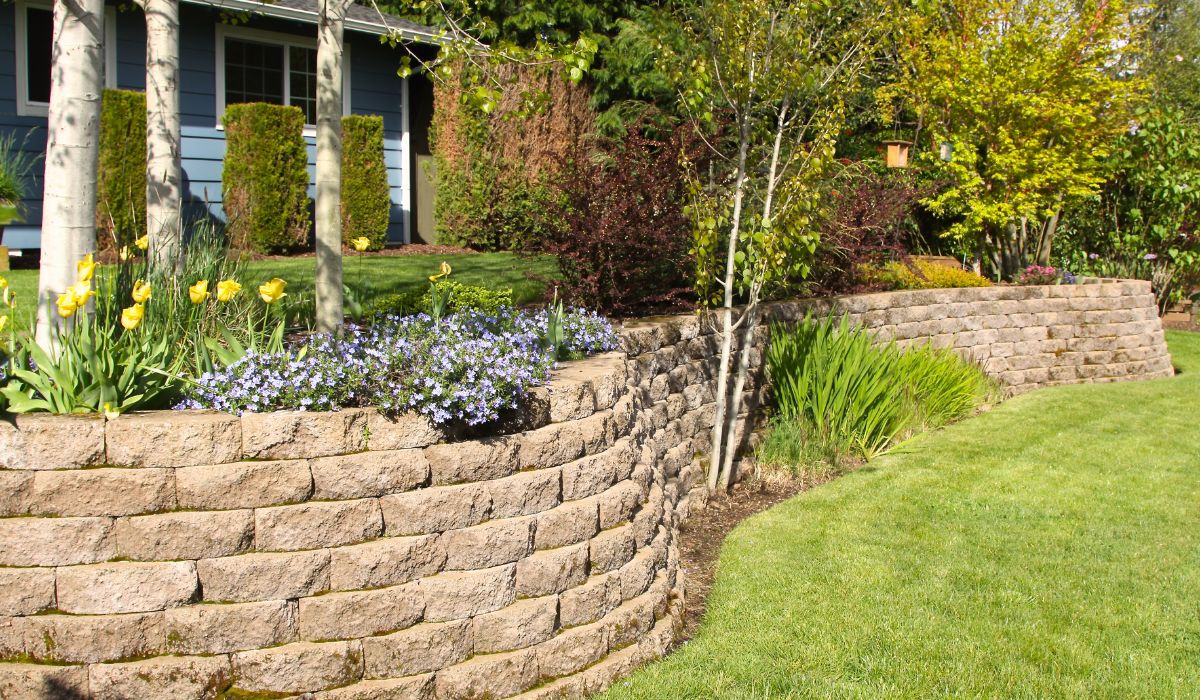
"Does a 2-foot retaining wall need drainage?" addresses the essential question surrounding the necessity of drainage for shorter retaining walls in Kelowna, BC. Understanding the significance of drainage behind these walls is pivotal in ensuring their structural integrity and longevity. This comprehensive guide explores various factors influencing the need for drainage systems, the impact of soil type and materials, and efficient drainage solutions for 2-foot walls. Discovering the importance of proper drainage assists property owners and landscapers in making informed decisions, ensuring that even shorter walls effectively manage water flow and prevent potential issues associated with poor drainage. Understanding Drainage Necessity for 2-Foot Retaining WallsImportance of Proper Drainage Behind Short Retaining WallsEfficient drainage is vital, even for 2-foot retaining walls. It prevents water accumulation, reducing soil pressure and potential damage to the wall. Proper drainage maintains stability and prolongs the wall's lifespan. Impact of Drainage on Wall LongevityEffective drainage systems behind shorter walls ensure prolonged durability. Proper water management prevents structural issues caused by soil saturation or hydrostatic pressure, supporting the wall's longevity. Factors Influencing Drainage Requirements in Short-Retaining WallsSoil Type and Drainage NeedsThe type of soil significantly influences drainage requirements. Clay-type soils tend to retain more water, necessitating robust drainage systems, while well-draining soils might require less elaborate setups. Wall Materials and Their Drainage CompatibilityDifferent wall materials have varying drainage needs. Understanding how materials interact with drainage systems aids in choosing the most suitable drainage solutions for 2-foot walls. Implementing Drainage Solutions for Low Height Retaining WallsWeep Holes: Functionality in Short Retaining WallsWeep holes provide crucial drainage pathways behind 2-foot walls, allowing water to escape and preventing hydrostatic pressure buildup. Properly placed weep holes are fundamental for efficient drainage. Gravel Backfill: Ensuring Effective Water FlowUsing gravel as backfill material facilitates water movement, preventing water accumulation behind the wall. It aids in drainage, ensuring proper water flow away from the wall's base. Importance of Drainage Systems in Preventing 2-Foot Retaining Wall IssuesMitigating Soil Pressure with Effective DrainageAdequate drainage systems prevent soil pressure buildup behind short retaining walls. Managing water flow reduces soil saturation, alleviates pressure on the wall, and maintains stability. Preventing Wall Failure: Drainage's RoleProper drainage mitigates potential problems leading to wall failure. By directing water away from the wall and preventing soil erosion, drainage systems safeguard the wall's structural integrity. Addressing Soil Pressure: Drainage for 2-Foot WallsUtilizing Drainage Systems to Alleviate Soil PressureDrainage behind short walls serves as a countermeasure against soil pressure. Efficient systems manage water flow, reducing pressure on the wall and preventing structural damage. Drainage Design Impact on Soil SaturationEffective drainage design minimizes soil saturation behind 2-foot retaining walls. Controlling water accumulation prevents soil from becoming oversaturated, preserving the wall's stability. Common Drainage Problems Behind Short Retaining WallsClogging Issues and Drainage EfficiencyAddressing potential drainage problems like clogging ensures the continuous functionality of drainage systems. Regular maintenance prevents obstructions and maintains efficient water flow. Managing Surface Water to Prevent Wall IssuesEfficient drainage systems manage surface water effectively. Redirecting surface water away from the wall's base prevents saturation, reducing the risk of potential drainage-related problems. Materials and Techniques for Efficient Drainage in Low-Retaining WallsDrainage Material Selection for Optimal PerformanceChoosing the right materials, such as crushed stone or gravel, ensures efficient drainage behind 2-foot retaining walls. These materials aid in water flow, reducing the risk of water accumulation. Perforated Pipe Applications for Improved DrainageUtilizing perforated pipes in drainage systems behind shorter walls facilitates efficient water movement. Properly installed, these pipes effectively redirect water away from the wall, mitigating potential drainage issues. Enhancing Structural Integrity: Drainage Practices for Small Retaining WallsRole of Weep Holes in Preserving Wall IntegrityWeep holes act as essential drainage elements in 2-foot walls, preventing water buildup and reducing hydrostatic pressure. Properly installed weep holes play a crucial role in preserving wall integrity. Drainage Fabric and Its Impact on Wall StabilityIncorporating drainage fabric aids in preventing soil erosion and maintaining structural stability. Proper placement of drainage fabric enhances the overall efficiency of drainage systems behind low retaining walls. Efficient Drainage Solutions for Low-Retaining WallsPerforated Drainage Pipe Installation TechniquesExploring advanced installation methods for perforated drainage pipes behind 2-foot walls. Effective installation ensures optimal water redirection, mitigating potential drainage issues. Innovative Drainage Material ApplicationsInvestigating new and innovative materials designed for efficient drainage behind low retaining walls. Exploring their efficacy in managing water flow and preventing soil saturation. Maximizing Drainage Effectiveness in Short-Retaining WallsAdvanced Drainage System DesignsDelving into advanced design methodologies for drainage systems behind 2-foot walls. Innovative designs that enhance drainage efficiency and prevent potential drainage-related problems. Tailored Drainage Solutions for Specific Wall MaterialsUnderstanding how different wall materials require tailored drainage solutions. Specific techniques and materials catered to the unique drainage needs of diverse wall materials. Secure Your Landscape with Kelowna Retaining WallsDetermining the necessity of drainage for 2-foot retaining walls is critical for maintaining their structural stability in Kelowna, BC. Understanding the factors influencing drainage needs aids in implementing effective solutions. For expert advice on drainage systems for retaining walls, contact Kelowna Retaining Walls at 236-300-3102. Our experienced team specializes in tailored drainage solutions, ensuring your retaining walls, regardless of height, withstand the test of time. FAQsWhy is Drainage Behind a 2-Foot Retaining Wall Important?Proper drainage is crucial as it prevents water buildup, reducing soil pressure behind the wall and ensuring its stability over time. What Components Constitute an Effective Drainage System for Such Walls?A well-designed system may include drainage pipes, gravel or crushed stone backfill, and weep holes, facilitating water flow and preventing soil saturation. Do All Retaining Walls, Regardless of Height, Require a Drainage System?Yes, drainage systems are essential for all retaining walls, regardless of height, to manage water flow and prevent potential issues like hydrostatic pressure. How Does Poor Drainage Affect Usable Outdoor Space Behind the Wall?Inadequate drainage can lead to water accumulation, making the space unusable and potentially causing structural problems due to soil saturation. Can Landscape Fabric Play a Role in Drainage Behind Retaining Walls?Yes, landscape fabric acts as a filter, preventing soil compaction and facilitating water drainage without obstructing the flow. Its use can complement a well-designed drainage system. What Materials Are Ideal for Drainage in 2-Foot Retaining Walls?Materials such as drain tile, crushed stone, or gravel create efficient drainage pathways, promoting water flow and preventing water-related issues behind the wall. How Does Wall Design Impact Drainage Effectiveness?Properly designed walls incorporate drainage elements like weep holes or drainage pipes, ensuring effective water flow and reducing the risk of wall-related issues due to poor drainage. Can a Well-Constructed 2-Foot Retaining Wall Withstand Water Flow Without Drainage?While a well-built wall provides structural support, a reliable drainage system is crucial to manage water flow, preventing soil saturation and potential wall failure. Comments are closed.
|
 RSS Feed